Shri Kashi Vishwanath
One of the twelve Jyotirlingas, and the reason most pilgrims come at all. We advise on which gate to enter, when the queue turns, and how the Vishwanath Dham corridor connects to Annapurna Devi and Vishalakshi alongside it.
Varanasi is the base. Ayodhya, Prayagraj and Sarnath are each close enough to fold into the same trip.
The oldest continuously inhabited city in the world, and the one Hindus have walked towards for three thousand years. Eighty-odd ghats line the western bank of the Ganga, and the whole city bends towards the river.
Roughly 220 km from Varanasi, an easy half-day drive. Since the Ram Mandir opened, Ayodhya has become the single most-added stop on a Kashi itinerary — and the town has changed fast to meet it.
About 125 km west of Varanasi, where the Ganga and Yamuna meet the mythical Saraswati. The Sangam is the site of the Kumbh Mela, the largest human gathering on earth.

Ten kilometres from the centre of Varanasi, Sarnath is where the Buddha gave his first sermon after attaining enlightenment. A half-day is enough, and it is the calmest morning of most Kashi trips.
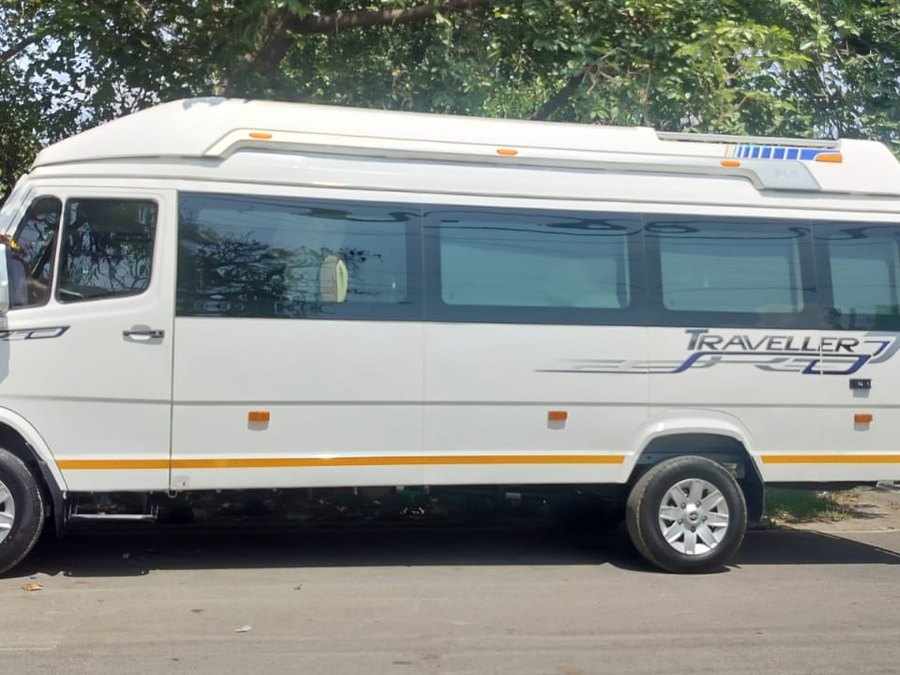
A complete Kashi yatra is far more than a single temple. These are the shrines most of our guests ask for.
One of the twelve Jyotirlingas, and the reason most pilgrims come at all. We advise on which gate to enter, when the queue turns, and how the Vishwanath Dham corridor connects to Annapurna Devi and Vishalakshi alongside it.
Tradition holds that nobody may stay in the city without his leave, so most yatris come here first. The black-thread prasad tied at his shrine is what visitors remember years later.
Founded by Goswami Tulsidas, who is said to have had Hanuman’s darshan on this spot. Tuesdays and Saturdays are packed; a weekday morning is calm and far more rewarding.
The eighteenth-century Durga temple beside its stepped tank, painted the deep ochre-red that photographs beautifully in the early light. Monkeys own the courtyard — hold on to your prasad.
Marble walls inscribed with the entire Ramcharitmanas. Quiet, shaded, and a good stop with elderly travellers because there is nowhere to climb and somewhere to sit.
Inside the Banaras Hindu University campus, built by the Birla family. Open, spacious and unhurried — the easiest darshan in the city for anyone who finds the old lanes difficult.
Whichever way you arrive, tell us the flight number or train number when you book and a vehicle will be waiting. We track arrivals, so a delay costs you nothing.
Lal Bahadur Shastri International Airport at Babatpur, with direct flights from Delhi, Mumbai, Bengaluru, Hyderabad, Kolkata and seasonal international services.
Varanasi Junction (Cantt) is the main station. Banaras station at Manduadih and Pandit Deen Dayal Upadhyaya Junction at Mughalsarai also handle a large share of long-distance trains.
Varanasi sits on NH-19 and NH-31, well connected to Lucknow, Prayagraj, Gorakhpur and Patna. We run this route daily and can pick you up from any of these cities.
Approximate road distance and driving time in normal traffic. Festival days take considerably longer.
About 30–40 minutes each way. Comfortably a half-day trip.
Around 40 minutes, across the Ganga on the Samne Ghat bridge.
45 minutes to an hour. We track your flight and adjust.
Around 2 hours. Often combined with a Vindhyachal stop on the way back.
About 3 hours by road, mostly on good highway.
Around 5 hours. We normally suggest an overnight stay rather than a day trip.
Give us your dates and your group size. A written day-by-day plan and one fixed, all-inclusive price come back to you — usually within the hour.